Fit To Team Chase?
February 26, 2026
FIT TO TEAM CHASE?
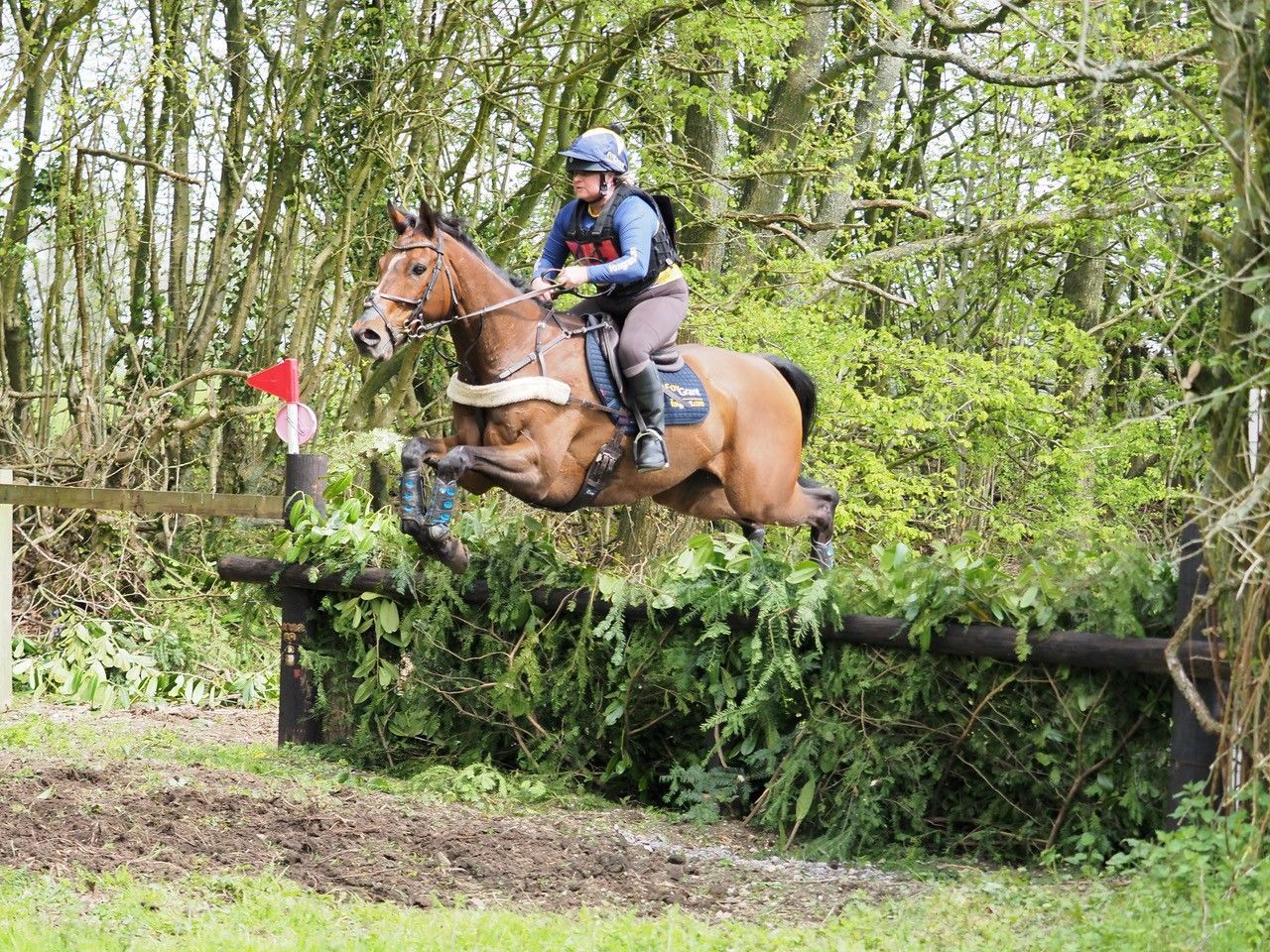
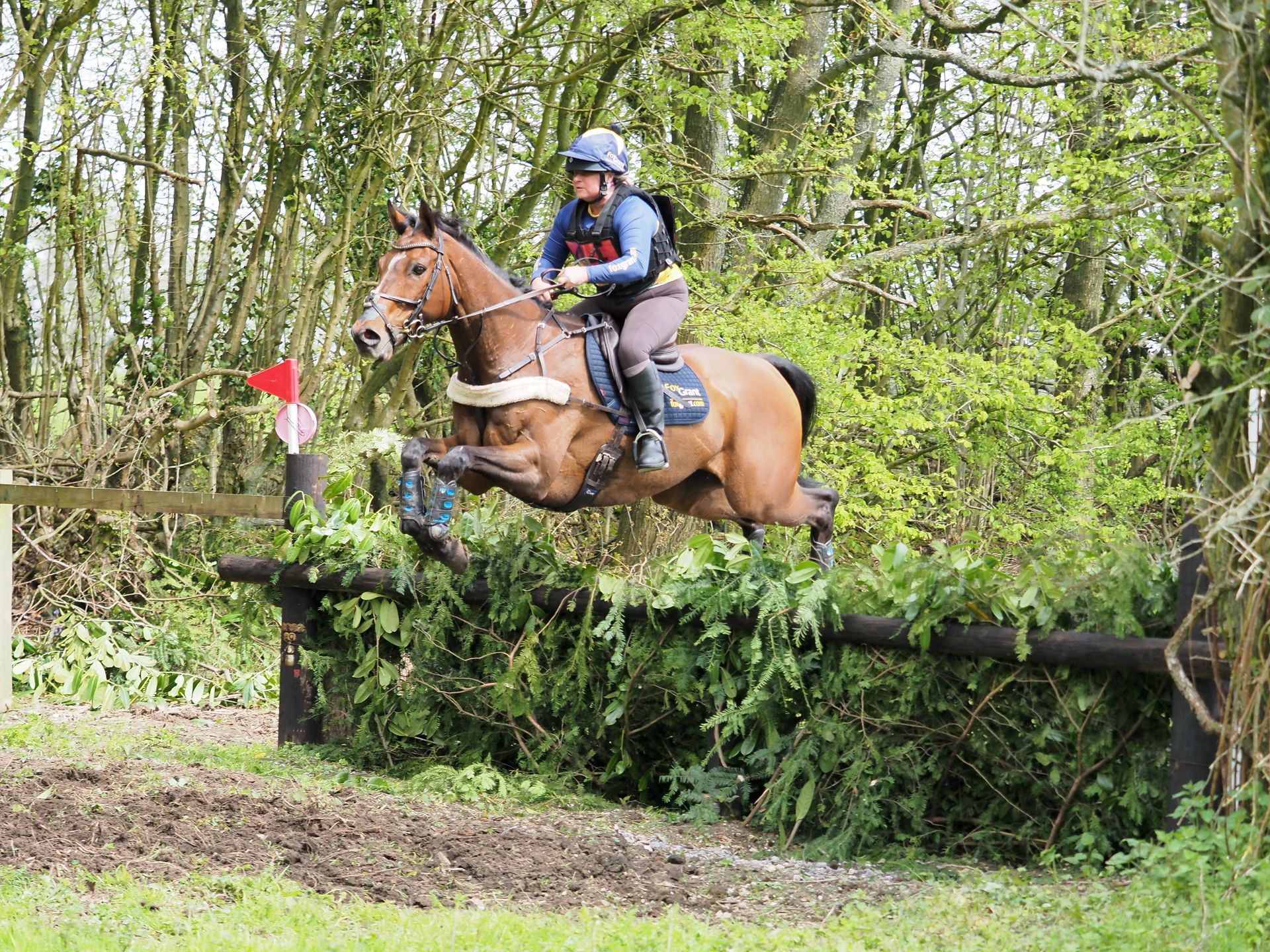
Yvonne Goss is a multiple national championship winning team chaser, as well as coaching riders from their first cross country to winning classes and producing horses out of racing. She’s also ‘team boss’ of the Fox Grant squads.
She has offered us some great advice on getting horses ready for the season.
“If your horse has had a complete break, you need to allow two to two and a half months to get them fit,” she explains.
“Aim to walk for three to four weeks – some horses won’t want to do this! But your walk should be at a good speed, on the bridle. If the weather is bad or you are short of time as you get to the end of this period, you could swap a walk hack for 10 mins each way on the lunge.”
When you start trotting, pace is important, she says: “Walk fast and trot slow, on the bridle with their hind end working. The twists and turns of team chasing need the horse to be strong behind and this is how you achieve it. Doing this two or three times a week when they are fitter is better work than cantering, and you won’t need to canter so much.”
She adds that hill work is ideal, and is especially important for non-thoroughbreds who are more difficult to get really fit.
A month before the first team chase, make the canters longer, but keep the pace controlled.
“Aim to do canter work twice a week; you can use interval training, which great if you haven’t got access to gallops. Trot a couple of laps of a large field and then canter a lap, building it up as you go. It is especially useful for non-thoroughbreds to help them build stamina.”
If you are lucky enough to have gallops on hand, Yvonne suggests just going up a couple of times.
“The first time is to get them going; the second time should still be controlled and not on their forehand. Don’t let the canter just fade out as you near the end, keep going all the way to the top.”
Yvonne emphasises that riders should not expect their horses to be fully fit for the first team chase of the season, especially the longer autumn season.
“The first event should be your final ‘blowout’ so that the horse will be at his peak by the third or fourth event. And when you finish, he should not feel overtired, but really good in himself.”
While she says it’s a good idea for riders to go out cross country schooling or hedgehopping with friends before their first event – especially if they are relatively new to the sport – Yvonne suggests that gridwork is the best jumping preparation for the horse.
“Jumping up a grid keeps the horse supple and teaches them to think for themselves over a fence. That way, you can be confident that when you inevitably get it wrong at a team chase fence, your horse will know how to pop in short and get out of trouble.”
And once you are up and running for the season, Yvonne cautions against overjumping your horse.
“I’ll probably only canter once during the week in the season. My horse will have Monday and possibly Tuesday off and the aim is to keep him ticking over – walk out powerfully, trot steadily and a correct, working canter, so that they are keeping their hindquarters strong for the demands of team chasing.”
share this