MAKE A GYMNAST OF YOUR HORSE!

June 11, 2026

MAKE A GYMNAST OF YOUR HORSE!

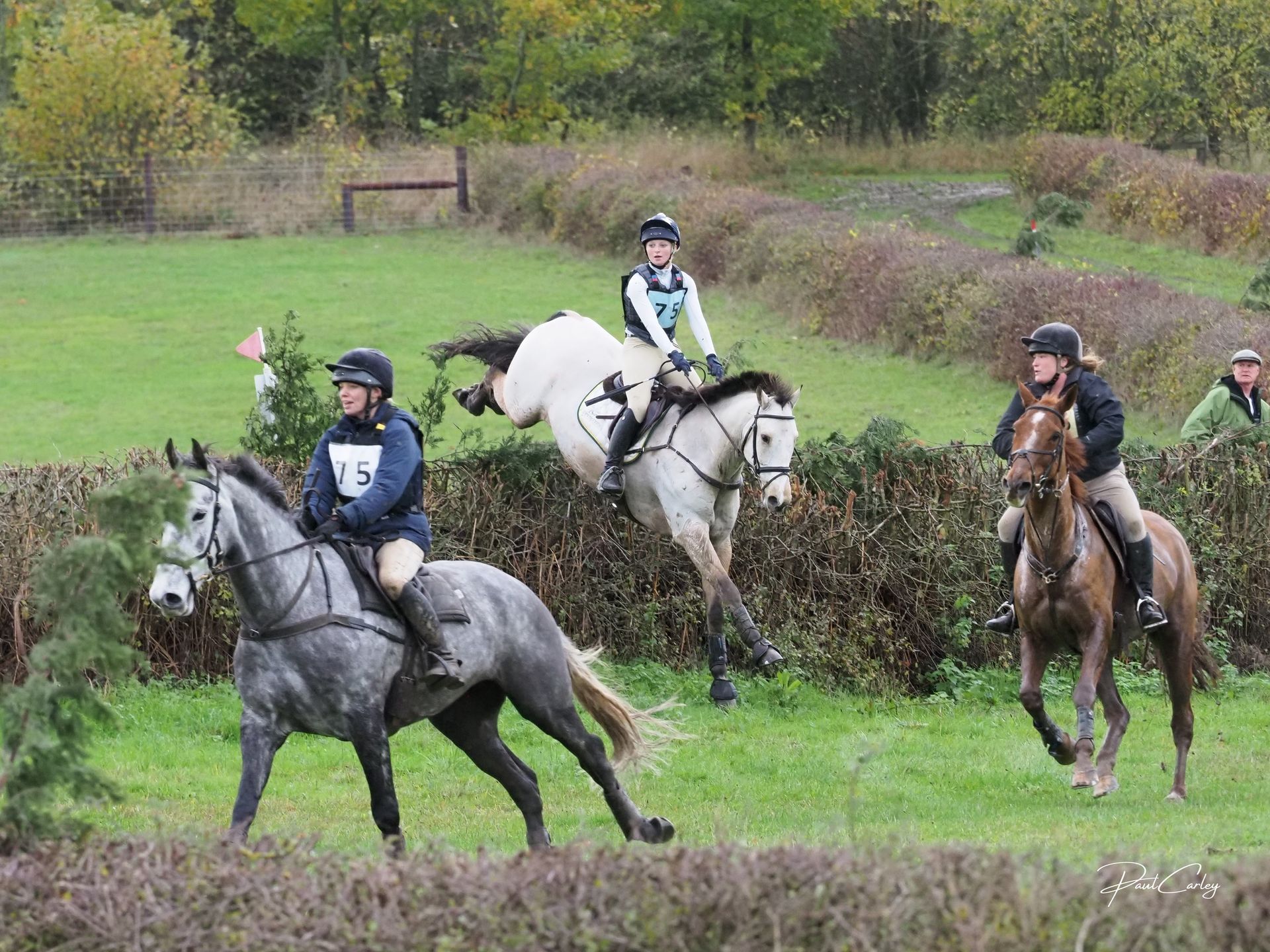
Having a horse that is agile enough to jump combinations and road crossings is key to team chasing success, says Yvonne Goss, Fox Grant team boss and multiple national championship winner.

“You need to be confident that your horse can jump out if you come to a standstill or to pop in or bounce if the distance in a road crossing is not an exact stride.”


Yvonne trains her own horse Charlie – a former racehorse - using gymnastic jumping and says:

“It’s also good for giving them variety and keeping them supple, much better than just jumping a course of show jumps.”


You don’t need many poles and wings for effective gymnastic jumping – enough for four uprights in a line plus another set is plenty.

“You can place the four fences in a line, slightly offset from each other to gradually jump from the left to the right as you go from fence one to four in a straight line,” she suggests. “This helps you ‘read’ the fence and build trust with the horse. Also, the horse learns to get out of trouble if you make a mistake coming into a solid fence by jumping further along.”


Yvonne suggests starting with poles on the floor to get your line and then gradually building up the height of the fences.

“Put the first one up as a fence, then the second and so on.”


She adds that the exercise should be ridden at an active, but controlled canter.

“The rider’s job is to keep the horse balanced and straight, but I have a relatively long rein so that the horse can make his own decision if it goes wrong.”

“You can also jump the fences on a straight line from an angled approach, looking at the second as you approach the first to get your line. Do this off both reins; it will give you confidence that you can jump on an angle; keep your leg on and aim to pop through.”


You can also add a separate fence on an offset line to the grid and pop this before jumping one or two of the elements.

“You can make this a ‘skinny’ with narrow poles or a filler to test accuracy further.”


Yvonne says that the variations are endless and that Charlie loves to ‘play’, whether it is to keep him fresh in the middle of the season or as a preparation in the latter stages of fitness work.

“It’s brilliant for ex-racehorses which need to develop their agility, but most horses enjoy a bit of gymnastic jumping!”

“And if you haven’t got a suitable arena, join together with some friends and hire somewhere; it’s not expensive if there are a few of you and you can pay someone to pole pick for you.”


share this
October 14, 2026
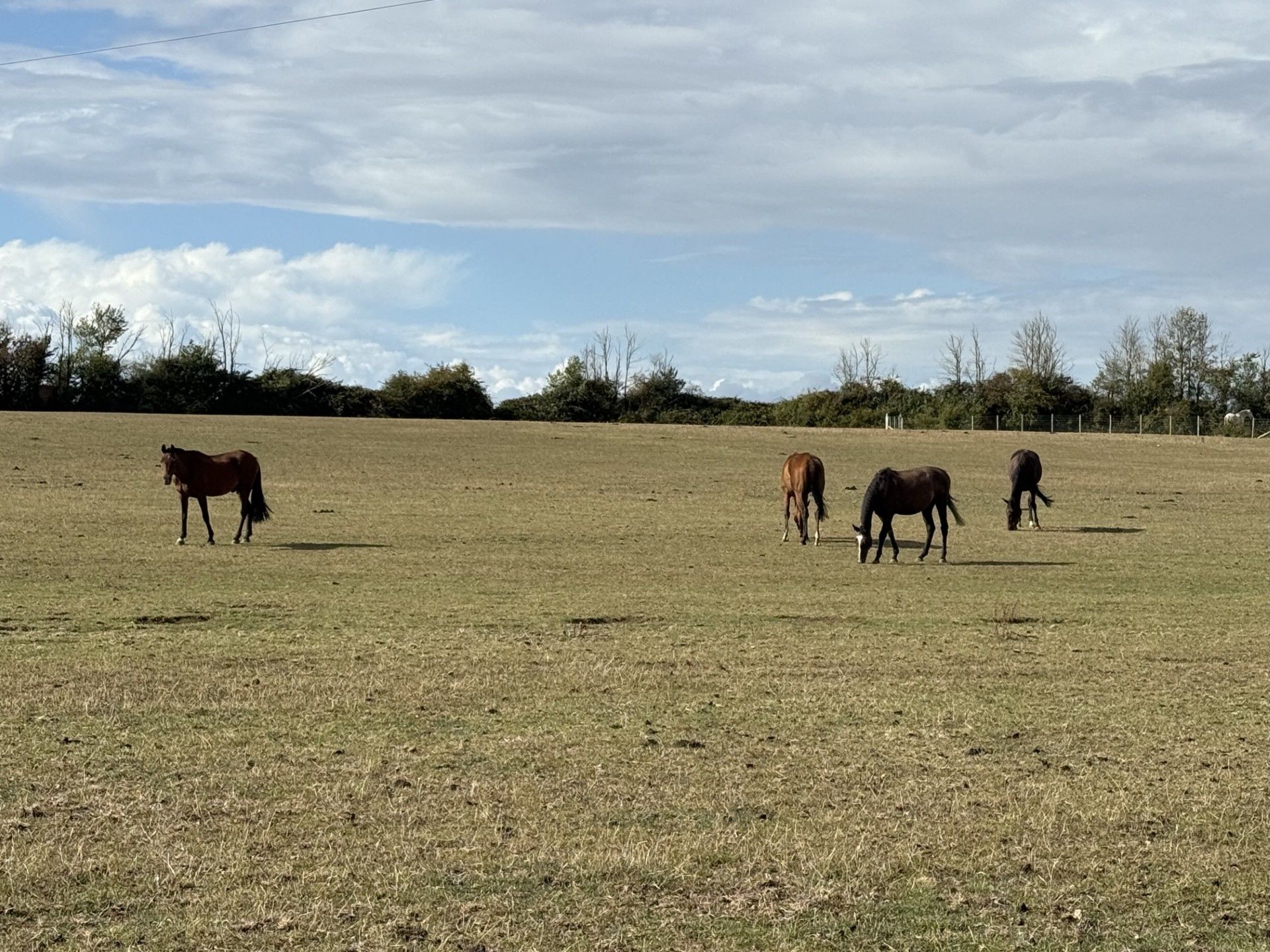
BTC sponsor Goldsmiths Seeds offers some great advice on helping your paddocks bounce back from the dry summer and offer useful turnout into next year. For details on their range check out www.goldsmithsseeds.com or give them a follow on Instagram @goldsmithsseeds AUTUMN: IT'S NOT TOO LATE TO RESEED YOUR PADDOCKS! Recovering from a dry summer? Autumn can offer the perfect conditions to give your paddocks a helping hand. WHY RESEED AFTER A DRY SUMMER? Extended dry weather can leave grass dormant, weaken existing plants and expose bare soil. Once the rain returns, some grass will recover naturally, but badly damaged or thin areas may need a little extra help. Reseeding or overseeding can help thicken the grass cover, improve the resilience of your pasture and reduce the amount of bare ground vulnerable to damage during wetter weather. Good ground cover helps protect the soil, supports sustainable grazing and can help reduce the development of muddy, worn areas. WHAT ARE THE OPTIMUM CONDITIONS FOR RESEEDING? 1. Soil temperature As a general guide, aim for a soil temperature of at least 8°C, with warmer soil helping seeds germinate more quickly. 2. Soil moisture Grass seed needs moisture to germinate and develop roots. Ideally, the soil should be consistently moist but not waterlogged. 3. Suitable weather Mild conditions are preferable, with moderate daytime temperatures and reliable rainfall. The aim is to give the seed enough warmth and moisture to germinate and the young grass enough time to establish. 4. Good seed-to-soil contact Simply scattering seed over existing grass is unlikely to produce the best results. Preparing the surface and ensuring seed makes contact with the soil will improve the chances of successful germination. H OW TO PREPARE YOUR PADDOCK · Assess the damage: If the grass is still present but thin, overseeding may be sufficient. Severely damaged areas may need more thorough renovation. · Prepare the ground: Remove excess dead material, reduce competition from existing grass and address compaction where necessary. · Check your soil: A soil test can identify pH and nutrient deficiencies, helping you make informed decisions about any lime or fertiliser required. · Choose the right seed: Use a grass mixture specifically suited to horse paddocks, your soil type and your grazing requirements. · Sow carefully: Follow the seed supplier’s recommended sowing rate and method, ensuring good seed-to-soil contact. Rolling may help where appropriate, provided the ground is suitable. · Allow time to establish: Keep horses off newly seeded areas until the grass has developed a strong, well-rooted sward. This can take several weeks or longer, depending on the weather and growing conditions. CHOOSING THE RIGHT GRASS SEED FOR HORSES Not all grass seed mixtures are suitable for every horse paddock. Look for a horse specific mixture containing appropriate, persistent grasses that can tolerate grazing and hoof traffic. For horses that are good doers, overweight or prone to laminitis, seek advice on selecting a suitable lower-sugar, lower-energy mixture. Consider the soil type, drainage, intended use of the field and the horses grazing it before deciding which mixture to use. Goldsmiths Seeds Ltd offers a premium range of agricultural and amenity grass seeds, including a range of mixes tailored specifically for the equine market. Email us at sales@goldsmithsseeds.com with your specific requirements to get a bespoke recommendation. www.goldsmithsseeds.com
August 30, 2026
SUMMER NEWSLETTER AUGUST 2026
April 7, 2026
HOW TO GET STARTED TEAM CHASING
ALL ARTICLES