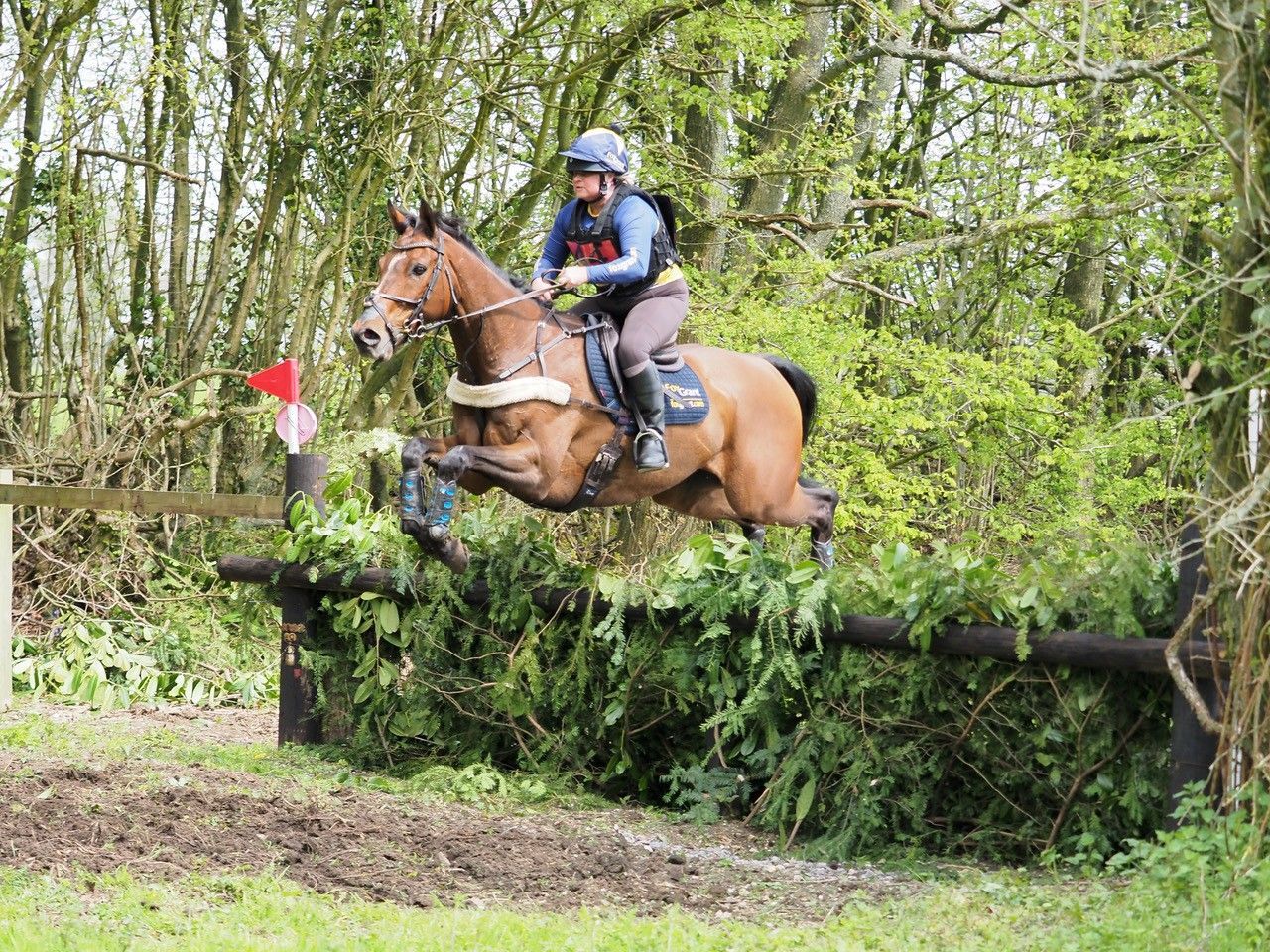
For horses involved in high-energy sports like team chasing, proper nutrition plays a vital role in ensuring optimal performance and recovery. These horses require tailored diets to meet the demands of intense exercise and help them recover effectively after each competition. Key nutritional components; carbohydrates, fats, proteins, vitamins, minerals, and water, are essential in supporting your horse’s physical demands, both during training and post-competition recovery.
Fuelling for Performance
Team chasing involves high-intensity bursts of energy, so horses need a diet that supplies the right type of fuel to perform at their best. Carbohydrates (CHO) are the primary source of energy, providing the necessary fuel for muscle contractions during the chase. However, fats are also a valuable energy source, offering twice the amount of energy per kilogram compared to carbohydrates. Fat is stored in the horse’s body as triglycerides and serves as a reserve during intense efforts. Protein, although important for muscle repair, is not a significant energy source unless a horse is malnourished or unwell.
In high-intensity activities like team chasing, horses rely on glycogen (stored carbohydrates) and fat stores. After intense exercise, these energy stores, especially glycogen, are depleted. Therefore, replenishing these stores quickly is crucial for optimal recovery and to prepare the horse for future competition.
Muscle Recovery and Nutritional Support
After team chasing events, muscle recovery is key to ensuring your horse remains in peak condition. It’s important to remember that muscle glycogen replenishment can take up to 72 hours, regardless of the diet provided. Unlike humans, horses do not replenish glycogen stores rapidly and overloading them with starch post-competition can cause gastrointestinal issues like colic.
To aid muscle recovery, antioxidants like vitamin E play a significant role. During exercise, free radicals are produced in the muscles, which can cause oxidative damage if not neutralized. Ensuring that your horse's diet contains adequate vitamin E can help mitigate free radical damage and support overall recovery. Some studies also suggest that supplementing vitamin E after competition may further enhance muscle recovery.
Additionally, providing branched-chain amino acids (BCAAs) such as leucine, isoleucine, and valine can aid in muscle protein synthesis and help prevent muscle breakdown. These amino acids are crucial during the recovery phase, particularly 24 to 48 hours after intense exercise.
Practical Feeding Recommendations for Team Chasing Horses
To support both performance and recovery in team chasing horses, here are some practical feeding guidelines:
· Forage: Provide high-quality forage to replenish carbohydrates and encourage water intake.
· Water: Ensure access to water both before and after competition to maintain hydration.
· Electrolytes: Include electrolytes in the diet to support hydration and replenish losses.
· Vitamin E: Ensure the diet includes sufficient vitamin E to combat free radical damage.
· BCAAs: Consider adding BCAAs to the diet to enhance recovery and reduce muscle breakdown.
By prioritizing proper nutrition, hydration, and recovery strategies, you can help ensure that your team chasing horse remains in top form for each event.
Premier Performance: Your Partner in Performance and Recovery
Premier Performance Supplements offers a comprehensive range of products specifically designed to support your horse’s nutritional needs before, during, and after team chasing events. Their carefully formulated supplements ensure that your horse has the energy, hydration, and recovery support they need to perform at their best.
Premier Performance supplements provide:
· High-Performance Electrolytes to replenish minerals lost during intense exercise and travel, ensuring optimal hydration.
· Energy Recovery Supplements to help replenish glycogen and fat stores, providing sustained energy for future competitions.
· Recovery Supplements enriched with Vitamin E and BCAAs to support muscle recovery, reduce oxidative damage, and enhance protein synthesis.
· Hydration Support Products to maintain fluid balance and improve glycogen repletion, ensuring your horse is always ready for the next challenge.
By incorporating Premier Performance Supplements into your horse’s training and competition regimen, you can help ensure that they stay in peak condition, recover faster, and perform at their highest level. Explore their range of products today to give your horse the nutritional edge they need.